
Solution
How SenLore™ works
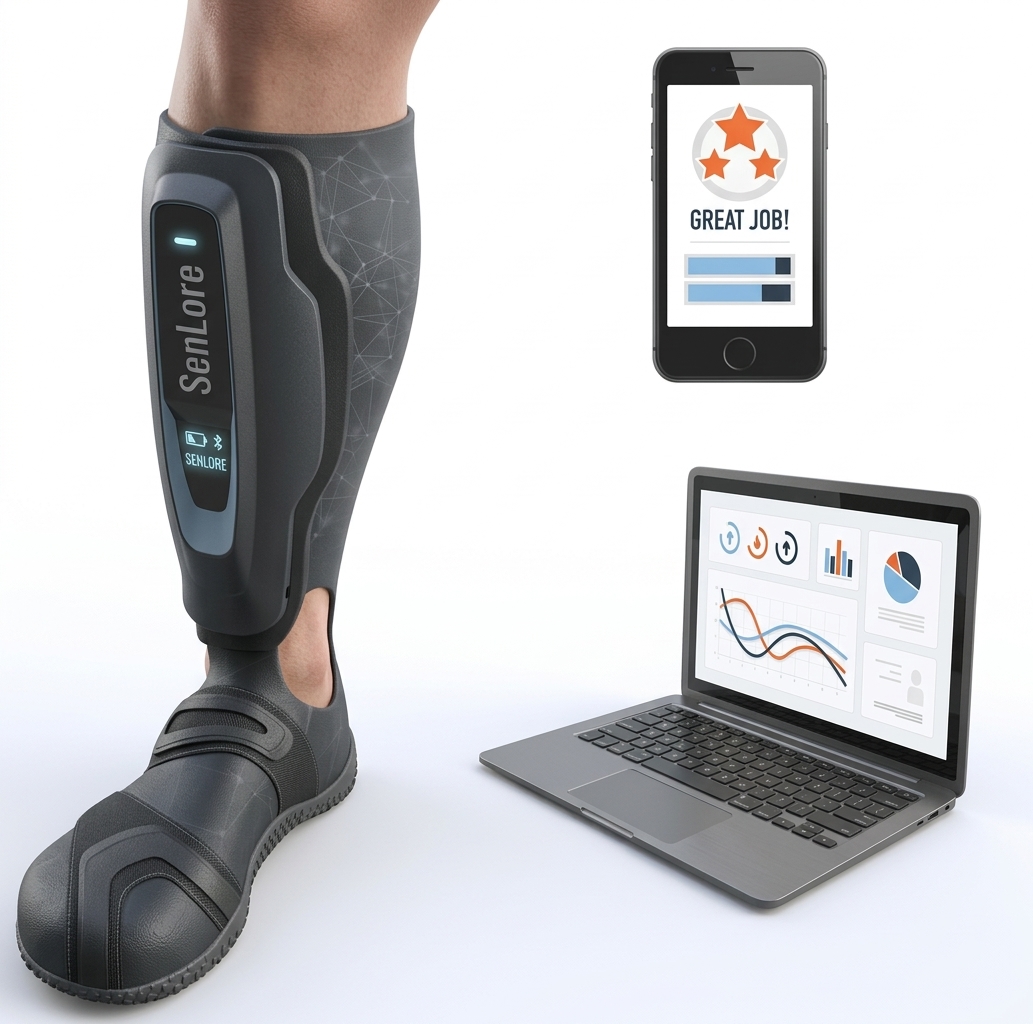
SenLore™ — a Doctor in a Boot — is an investigational wearable designed for home treatment and remote monitoring of diabetic foot ulcers. It keeps the familiar off-loading boot form factor and adds a treatment insole, a knee-to-toe heat insert, and a separate controller. It is not FDA-cleared and is not available for sale.
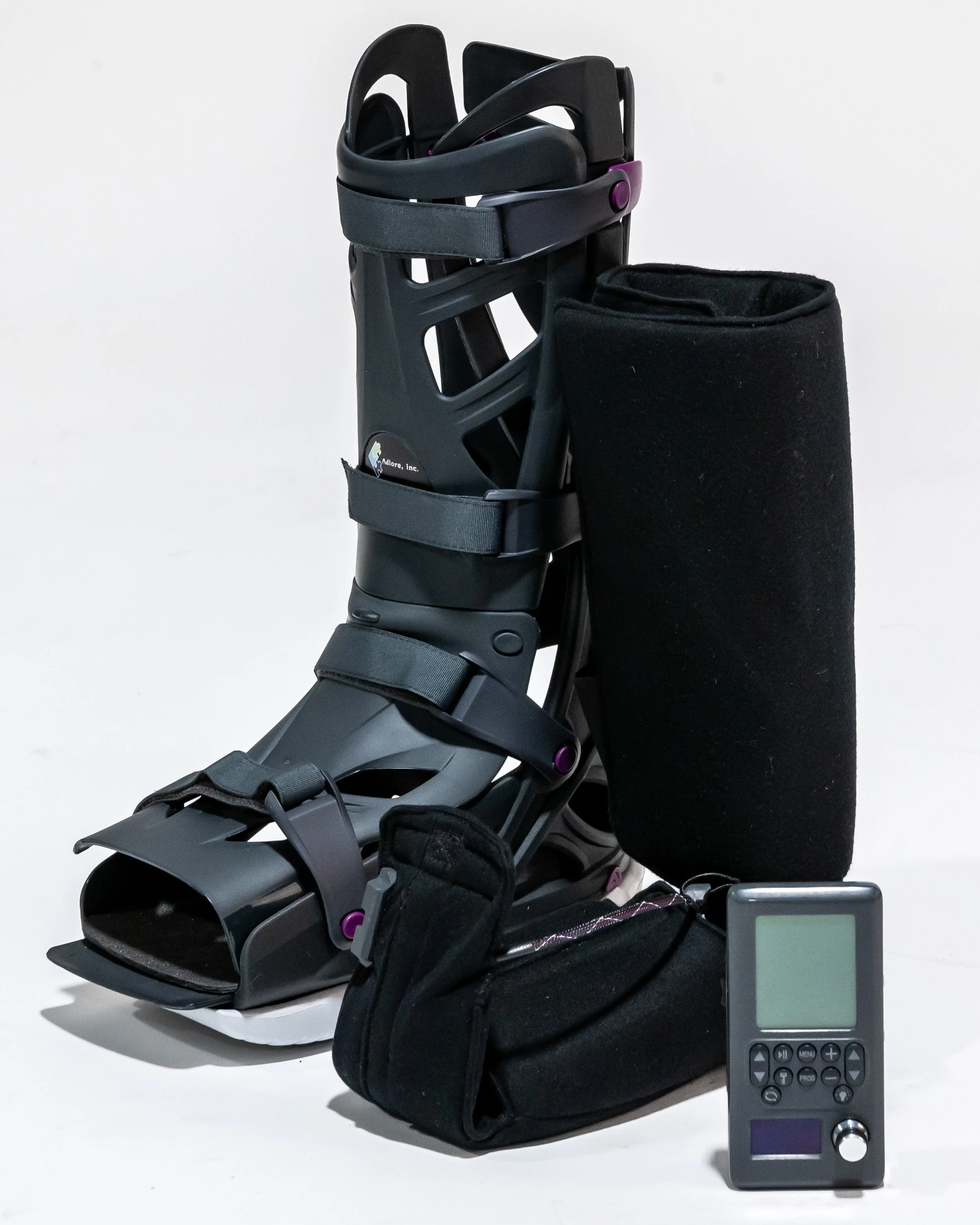
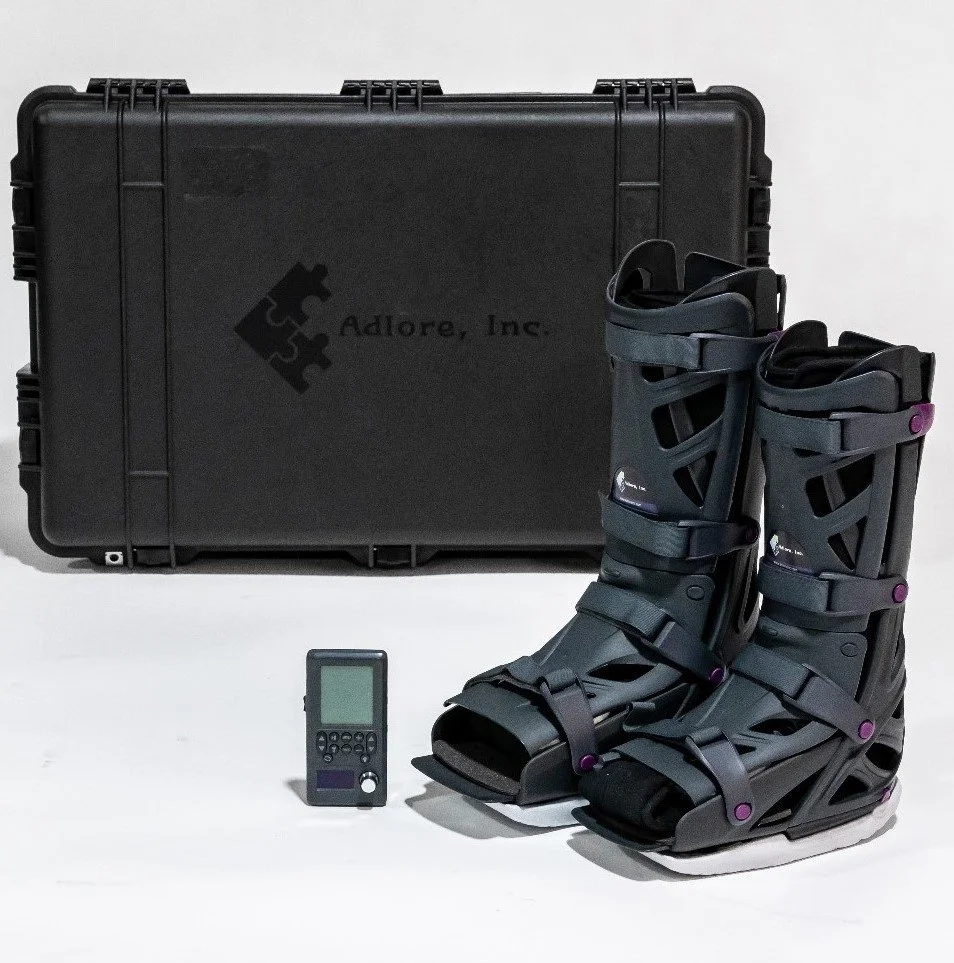
01
Treatment insole
Non-adhesive electrodes and sensors sit in the insole — 8 electrode pads and 3 sensors — rather than being stuck to fragile skin. This layer is a component inside the boot, not a standalone product.
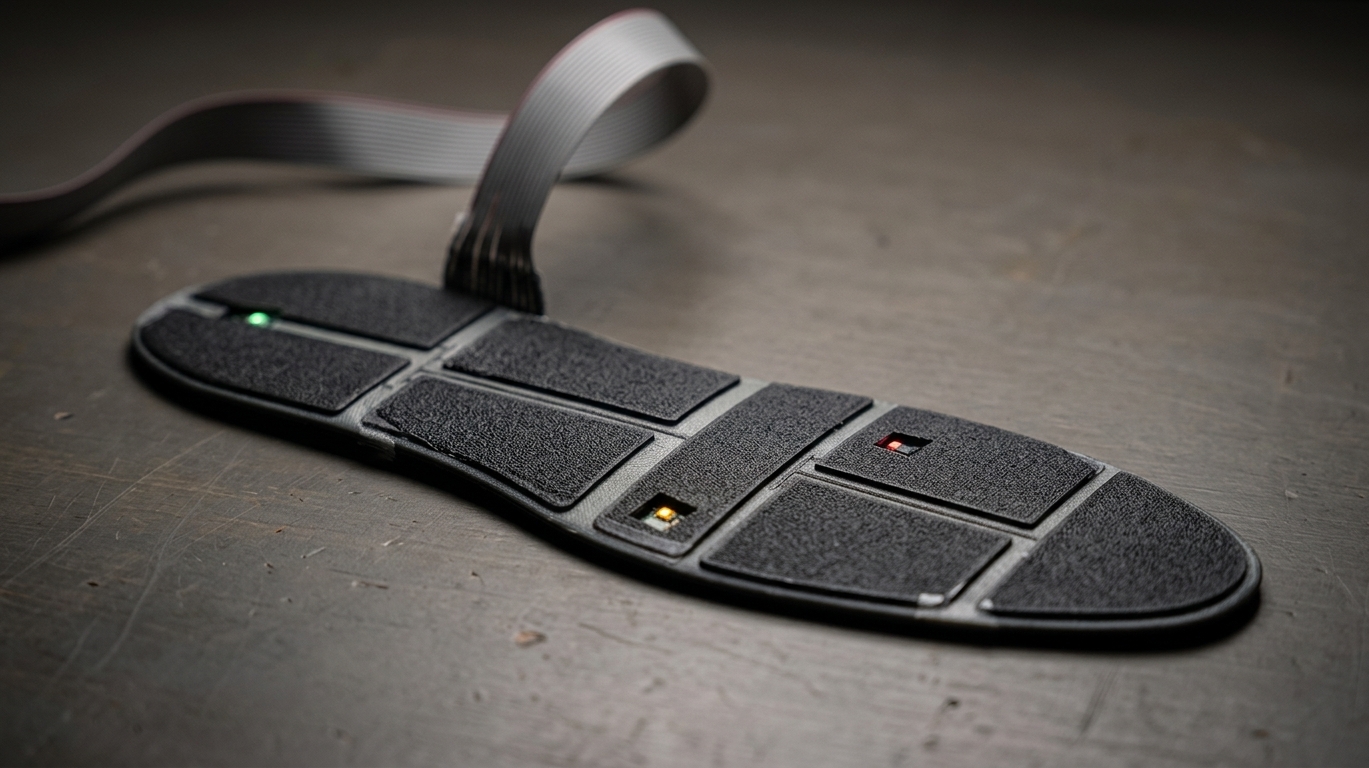 Prototype rendering
02
Heat insert
Controlled heat is designed to run from knee to toe, worn with the off-loading boot, to dilate vessels so stimulation has a better vascular bed to work in.
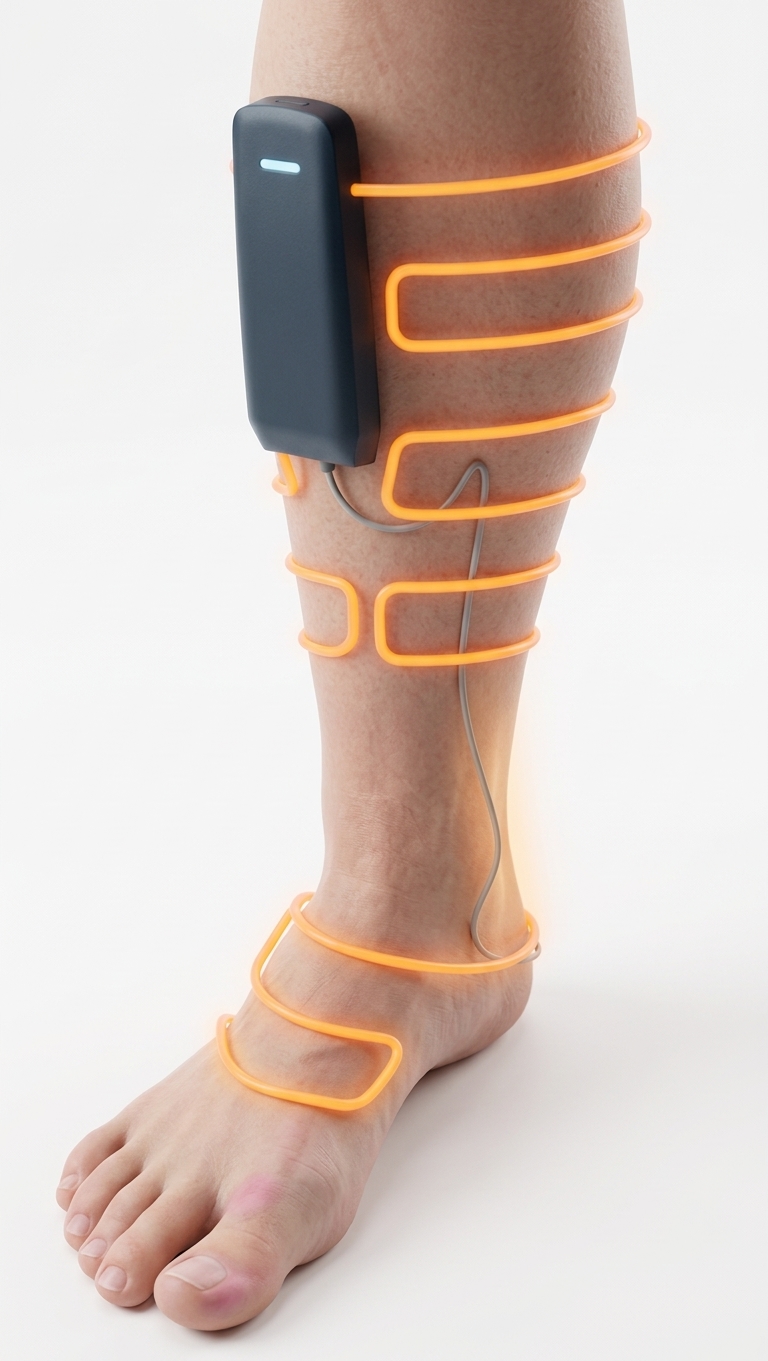 Prototype rendering
03
Controller and battery
A separate handheld controller is designed to deliver the prescribed electrical stimulation pattern for a timed home session.
04
Clinician and EMR
Compliance and physiologic signals are intended to move to the clinic for review — remote therapeutic monitoring, not a replacement for clinical care.
 Prototype rendering
Why heat and electrical stimulation together
Electrical stimulation, delivered through non-adhesive electrodes in the treatment insole, is intended to reduce inflammation, support perfusion, and help with pain. Controlled heat, delivered knee-to-toe, is intended to dilate vessels. Research from Dr. Lawson's lab found the combination improved perfusion and DFU healing beyond either approach alone.
Electrical stimulation and controlled heat → increased blood flow → intended support for DFU healing
Hospital and published ES + heat studies; not an FDA-cleared claim.
Intended mechanism
Intended mechanism of action
Electrical stimulation and controlled heat are intended to increase blood flow. Company animation: heat and stimulation prompt endothelial cells to release nitric oxide, supporting vasodilation and circulation in the foot. That is intended mechanism language — comparable to published ES + heat studies, not a claim that SenLore itself has been shown to heal wounds.
Foundational studies combined local heat with biphasic stimulation in people with chronic diabetic wounds. SenLore is being designed to deliver a related combination in a boot that can be used outside a heated treatment room, with an eight-pad, three-sensor layer inside the shell.
Remote therapeutic monitoring
The boot is designed to track four signals at home and send them over Wi-Fi for clinic review alongside the EMR.
Perfusion index
Patient input plus a home biomarker for the wound bed.
Temperature
Designed as an early flag for infection risk.
Compliance
Whether the protocol was actually worn and run.
Clinic review
Data intended for remote therapeutic monitoring and EMR integration.
Hardware callout
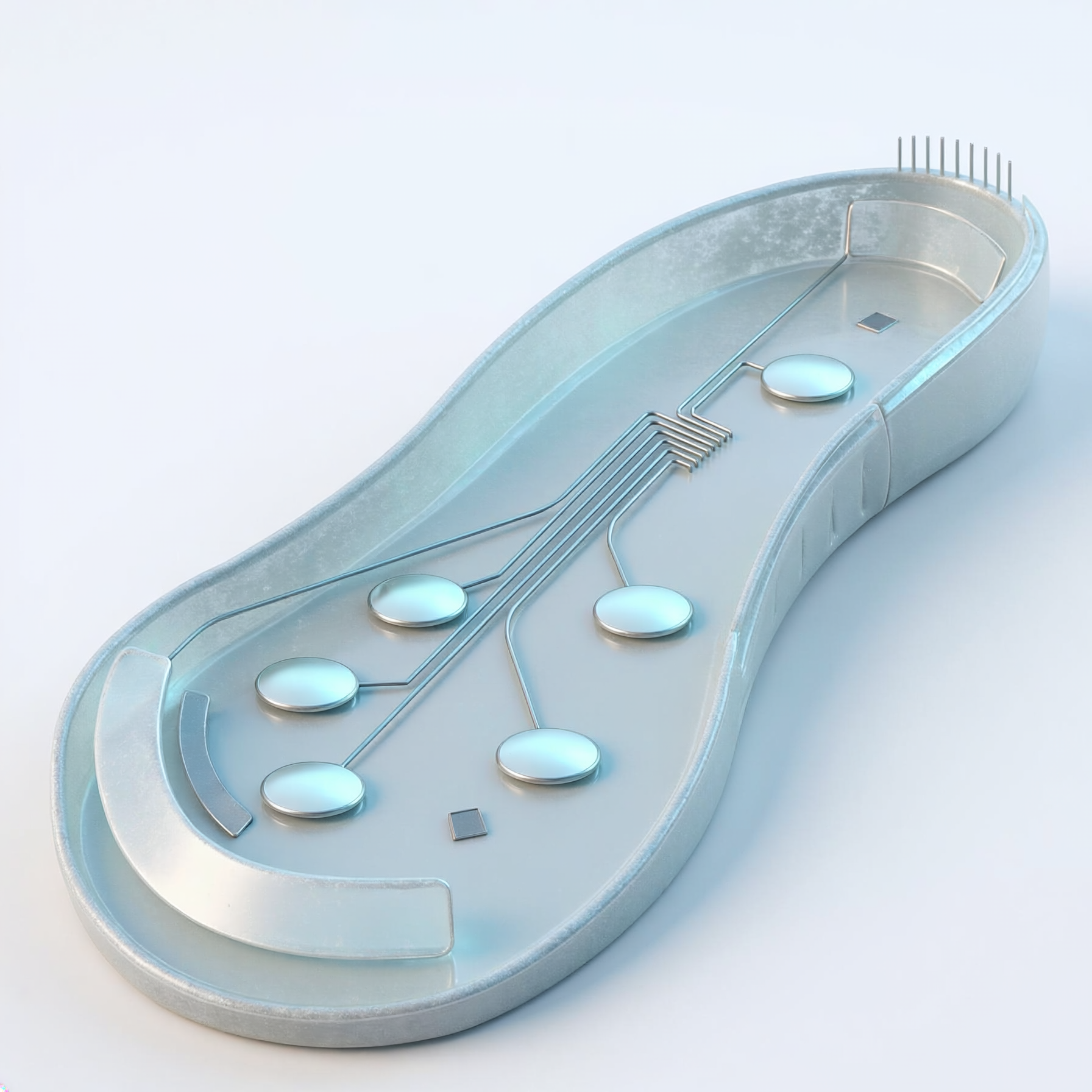
Artist rendition of the insole electronics that sit inside the boot. Select a part of the assembly to read how it is designed to work.
Prototype renderingInsole electronics inside the boot
Electrode pads (8)
Eight electrode pads distributed across the insole layer, intended to spread current more evenly than a two-electrode pair. This layer is designed to sit inside the SenLore boot.
Why local heat, not a heated room
Early research found that warming a patient's whole body produced a larger blood-flow increase than warming the wound site alone. A heated room isn't something anyone can wear at home. The knee-to-toe heat insert is a deliberate design tradeoff — most of the benefit, in a form that fits into daily life.
Prototype renderingActive treatment, not monitoring alone
SenLore™ is being developed as an investigational active-therapy wearable — controlled heat and electrical pulse stimulation with feedback — rather than a detection-only tool. This is a category description, not a comparison to named products.
Designed to deliver controlled heat and electrical pulse stimulation at the wound site, with sensors feeding a patient app and clinician dashboard.
How it is designed to be worn
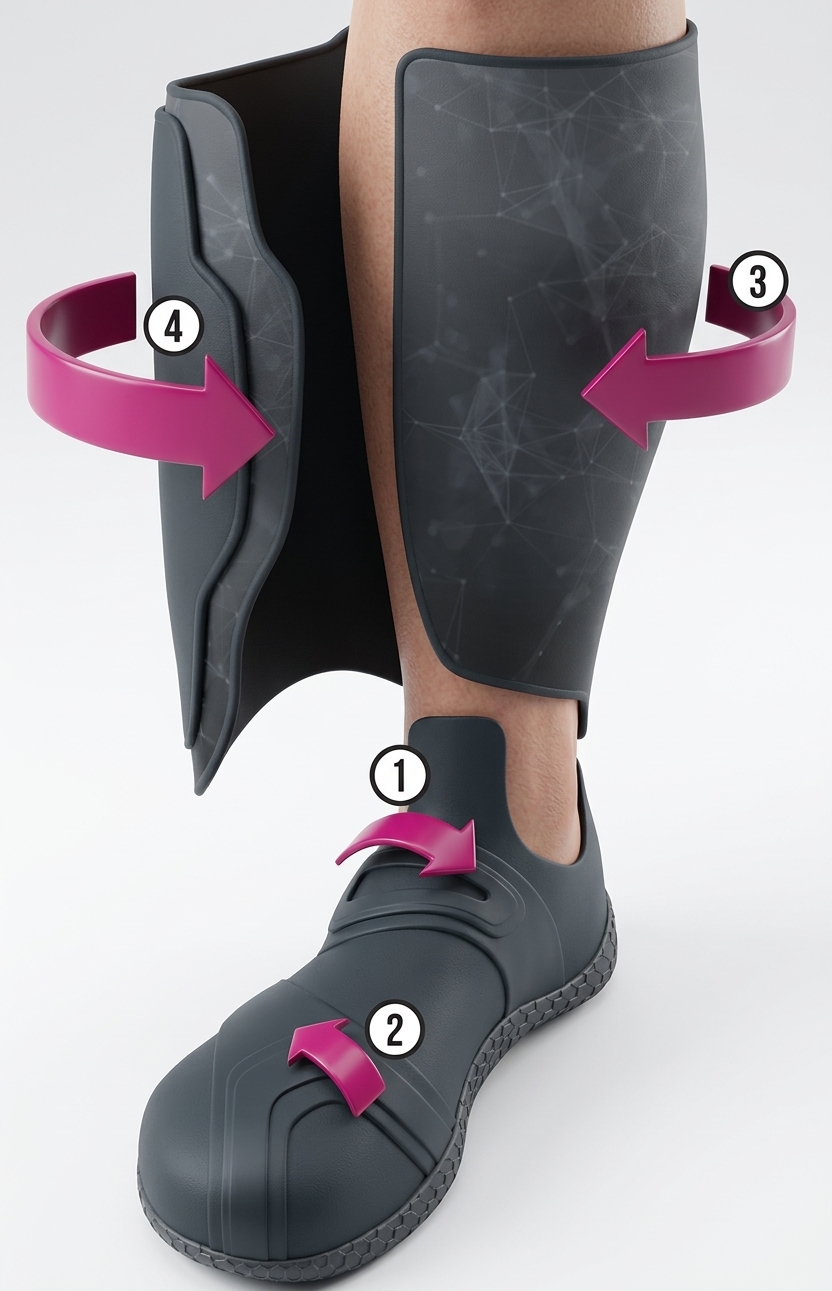
The boot is designed to go on the way an off-loading boot already does — no new clinic visit type, and no adhesive electrodes stuck to fragile plantar skin. Numbered steps on the diagram: close the foot enclosure first, then wrap the lower-leg shell so the device stays seated for a timed home session.
The treatment insole and knee-to-toe heat insert are designed to sit inside that shell; a separate handheld controller is intended to deliver the prescribed stimulation pattern. This is a prototype donning concept, not a finished commercial product, and SenLore is not FDA-cleared.
 Prototype rendering
Insole layout (earlier schematic)
This cutaway is an earlier wiring schematic — useful for showing how electrodes and traces were laid into an insole shape, not a photograph of the current hardware. Confirmed SenLore hardware uses 8 electrode pads and 3 sensors as a layer inside the boot; this drawing still shows six contacts.
The insole electronics are a component of SenLore, not a standalone product. They are designed to sit under the foot inside the off-loading shell so stimulation and sensing do not depend on stick-on pads.
 Prototype rendering
A note on safety
SenLore™ has not been cleared or approved by the FDA. This website does not claim that the device is safe or effective. Always consult a qualified clinician about diabetic foot ulcers. Foundational studies of heat and electrical stimulation are not a substitute for evaluation of a commercial SenLore product.
Questions we hear often
Is SenLore™ FDA-cleared?
No. SenLore is an investigational device. It is not cleared or approved by the FDA and is not available for sale.
Is this safe?
This website does not claim that SenLore is safe or effective. The device has not been cleared or approved by the FDA. Always consult a qualified clinician about diabetic foot ulcers. Foundational studies of heat and electrical stimulation are not a substitute for evaluation of a commercial SenLore product.
Why isn’t it for sale yet?
SenLore is still in prototype development. Adlore’s next steps are a locked prototype, a 510(k) submission package, and first pilot sites. It is investigational and not for sale.
When can I get one?
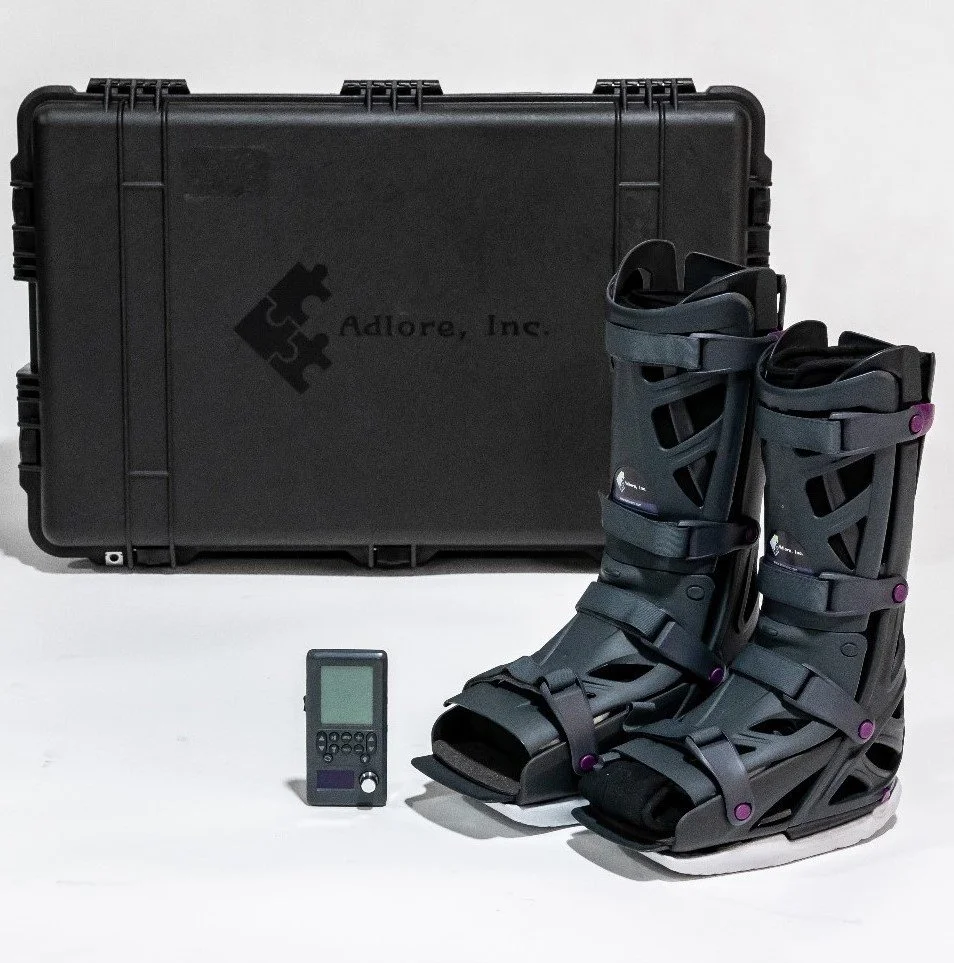
There is no commercial availability date on this site. Photos show a prototype in development. Follow News or the progress list for development updates — those are not a waitlist for a cleared product.
Can patients buy or use SenLore today?
Not as a commercial product. The photos on this site show a prototype in development.
What is SenLore designed to do?
It is being developed as a wearable boot that combines controlled heat and electrical pulse stimulation, with sensors intended to support remote monitoring of diabetic foot ulcers. That is a design intent, not a claim that the commercial device has been proven to heal wounds.
How is the boot designed to work?
Heat and electrical stimulation are intended to prompt endothelial cells to release nitric oxide, supporting vasodilation and increased circulation in the foot. Foundational studies of that combination are not the same as clinical results for a finished SenLore product.
Are the statistics on this site results from SenLore?
No. Published numbers come from hospital and published ES + heat studies, including work Dr. Lawson began in his doctoral research. They are comparable to that clinical series — not FDA-cleared claims about a finished SenLore product.
How can I invest?
Adlore is raising through two separate channels. A Regulation Crowdfunding offering, when open, is available only on Highlander. Accredited investors can discuss a separate Regulation D placement with Strong Capital Markets. Terms for either offering are not published in story copy on this site.
What happens to my money if I invest?
Investment terms, eligibility, and how funds are handled appear only in the official offering materials — on Highlander for Regulation Crowdfunding, or through Strong Capital Markets for the Regulation D placement. This website is not an offer to sell securities and does not publish raise amounts or use of proceeds.
SenLore™ is an investigational device, not yet available for sale or cleared by the FDA.